If you’ve ever thought “Why does this injury never fully go away?” — you’re not alone.
I hear this a lot in clinic. Someone strains a hamstring, tweaks their lower back, or develops a nagging shoulder issue. They rest, maybe get some treatment, feel better… and then a few weeks or months later, it’s back again. Same place. Same problem. Same frustration.
So why does this happen?
The problem isn’t always the injury itself
Most recurring injuries aren’t just about the original strain or knock. They’re usually the result of a pattern that hasn’t been fully addressed.
Common reasons injuries keep returning include:
- Muscles compensating for old injuries
- Reduced blood flow and tissue healing
- Nervous system tension keeping muscles “switched on”
- Scar tissue restricting movement
- Training hard but recovering poorly
You might treat the painful spot, but if the underlying imbalance remains, the body simply falls back into the same pattern.
This is where acupuncture can make a real difference.
How acupuncture supports deeper recovery
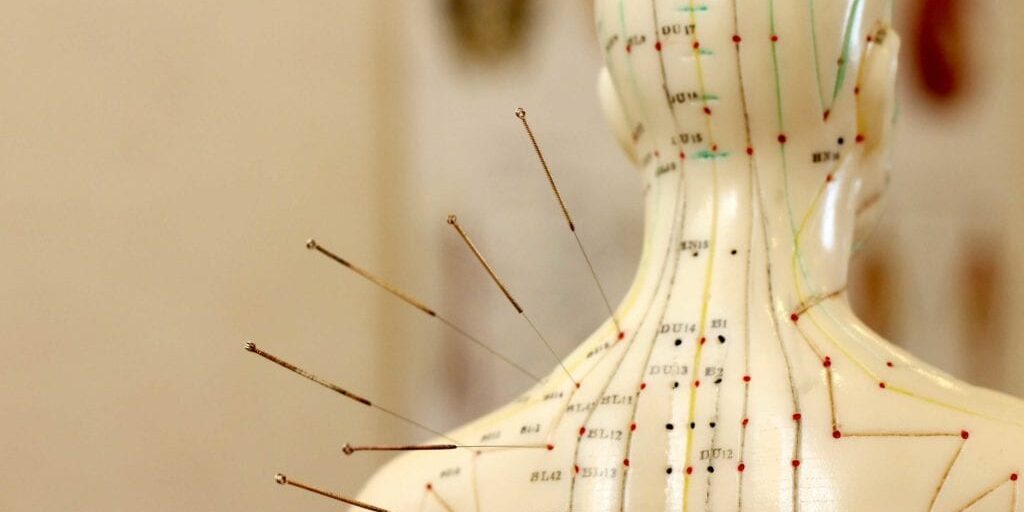
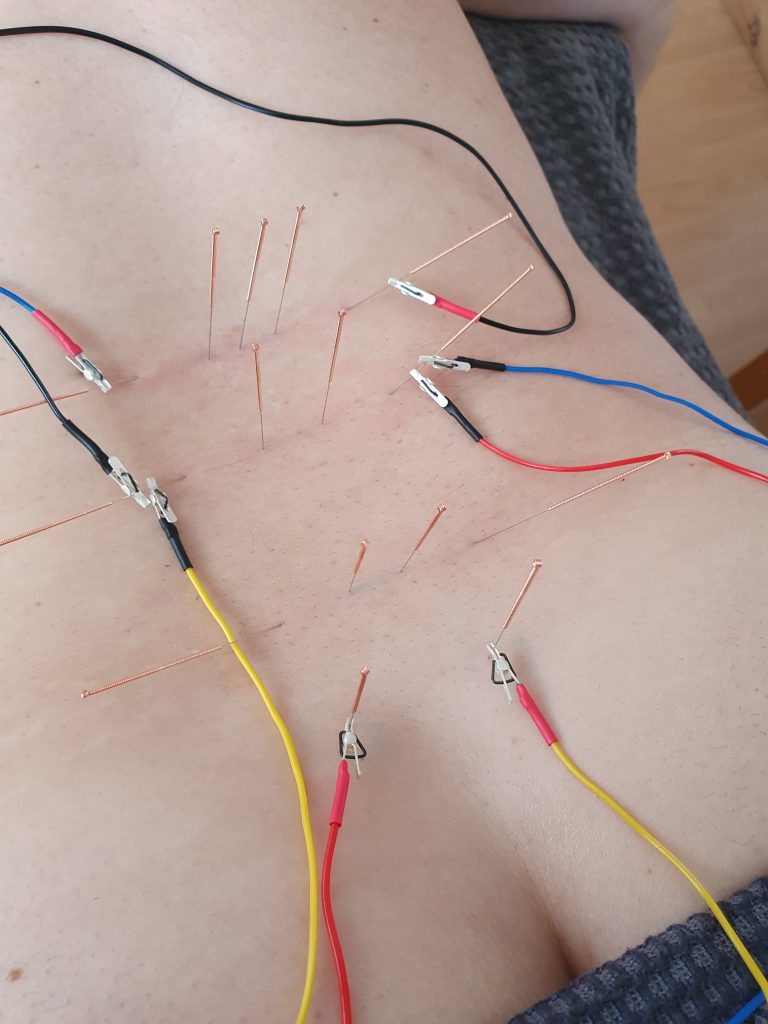
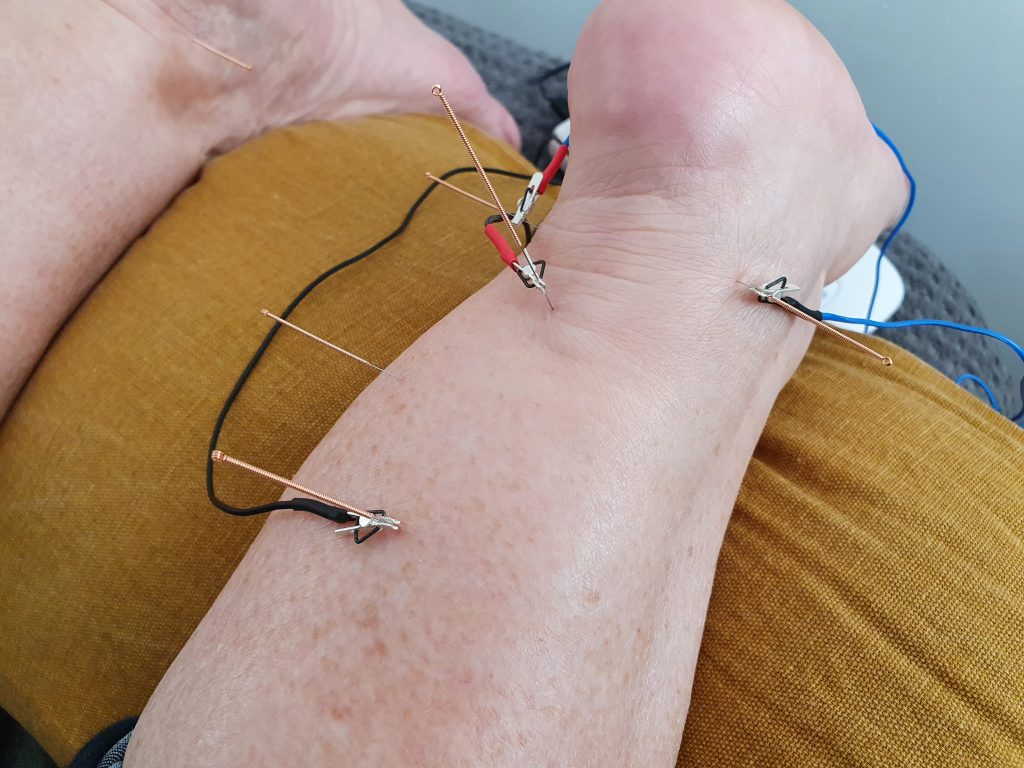
Acupuncture isn’t just about pain relief — although that’s often what people notice first. From a clinical point of view, it works by helping the body reset and repair, rather than just masking symptoms.
In my work as a Sports Therapist and Acupuncturist with nearly 30 years’ experience in St Helens, I often use acupuncture as part of a wider injury rehab approach because it helps address what’s happening beneath the surface.
Acupuncture can:
- Improve circulation to injured or overworked tissues
- Reduce muscle guarding and chronic tightness
- Calm an overactive nervous system
- Support tissue repair and healing
- Restore better movement patterns
When the nervous system settles and blood flow improves, the body can finally do what it’s designed to do — heal properly.
Chronic tightness = repeated injury
One of the biggest culprits behind recurring injuries is chronic muscle tension.
A muscle that never fully relaxes:
- Pulls on joints
- Alters posture and movement
- Fatigues more quickly
- Becomes more vulnerable to re-injury
Acupuncture works directly with this by encouraging muscles to let go. Many clients are surprised at how quickly they feel a sense of release — not just locally, but throughout the body.
That’s often the missing piece.
Why rest alone isn’t always enough
Rest is important, but it doesn’t always fix the issue.
If you:
- Train hard
- Sit for long periods
- Carry stress
- Have an old injury history
…your body may stay in a constant low-level state of tension. Even when pain eases, the system hasn’t fully reset.
Acupuncture helps shift the body out of that holding pattern, which is why it’s so effective alongside sports therapy, massage, and rehab exercises.
A more joined-up approach
For recurring injuries, I rarely rely on just one thing. Acupuncture works best when combined with:
- Hands-on sports therapy or massage
- Movement assessment
- Rehab exercises
- Advice around training load and recovery
This integrated approach helps prevent the cycle of: injure → rest → return → re-injure.
Instead, the goal is: recover → rebalance → return stronger.
When acupuncture is worth considering
Acupuncture can be particularly helpful if:
- An injury keeps flaring up in the same place
- Scans are “clear” but pain persists
- You feel tight or restricted even after treatment
- You’re training regularly but not recovering well
- Stress or poor sleep is affecting your body
You don’t need to be in agony for it to help — often it’s most effective before things fully break down.
Final thoughts
If an injury keeps coming back, it’s usually your body telling you something hasn’t been fully resolved yet.
Acupuncture isn’t a quick fix or a magic wand — but when used properly, it can help break the cycle of recurring injuries by supporting the body’s natural healing processes and restoring balance.
If you’re local to St Helens and wondering whether acupuncture could support your recovery, it may be worth looking beyond the painful spot and addressing the bigger picture.